How Rolling Code Protects Your Garage Door from Thieves

Think about all the security features protecting your front door — steel construction, deadbolts, kick plates, advanced locks. Now think about what’s protecting your garage door — likely nothing beyond an automatic opener. Yet your garage door spans 16 feet or more, houses your vehicles and valuables, and in most homes connects directly to your interior living space.
For decades, garage door openers were remarkably easy to compromise. Today, rolling code technology has changed that — but understanding how it works, and what additional steps you can take, is the best way to ensure your garage is as secure as your front door.
📖 Related: Smart Garage Door Openers: Are They Worth It?
A Brief History of Garage Door Opener Security
Generation 1 — Fixed Universal Codes
The earliest automatic garage door openers used a single fixed radio frequency code shared across an entire brand’s product line. Every opener of the same brand used the same code — meaning any person with a compatible remote could potentially open your garage door. Security was essentially nonexistent.
Generation 2 — DIP Switch Codes
The next generation allowed homeowners to set their own unique code using small switches inside both the opener and the remote. While this was a meaningful improvement, most homeowners never changed the factory default code — similar to how people leave default passwords unchanged on Wi-Fi routers. Thieves who knew common default codes found this surprisingly easy to exploit.
Generation 3 — Rolling Code Technology
Modern garage door openers use rolling code technology, which generates a completely new security code every single time the remote is used. The code is automatically selected from over 100 billion possible combinations. Once a code is used, it’s immediately discarded and replaced with the next in the sequence — making captured codes completely useless to thieves.
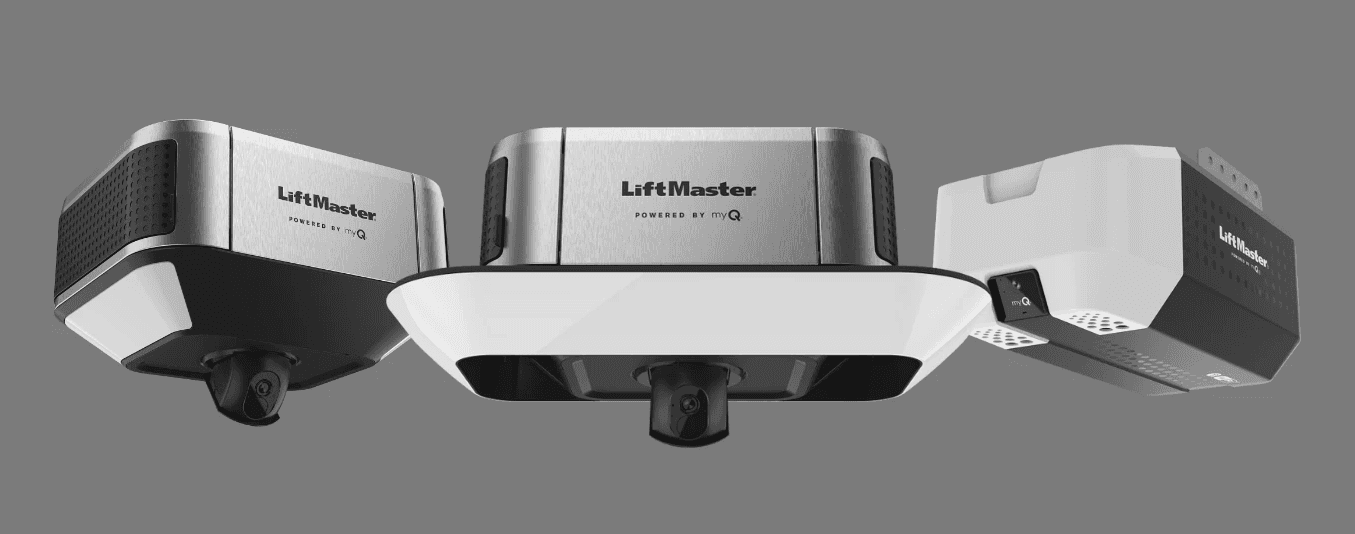
📖 Related: The New Generation of LiftMaster Garage Door Openers Is Here
What Is Code Grabbing — and Why Rolling Code Stops It
Code grabbing is a technique thieves use to intercept and record the radio signal transmitted by your garage door remote. With older fixed-code openers, a thief could use an inexpensive device to capture your code as you drove by, then replay it later to open your garage at will.
Rolling code technology renders this attack completely ineffective. Even if a thief successfully captures your signal, the code they recorded was only valid for that one single use. The next time you use your remote, the opener and remote automatically synchronize to the next code in their shared sequence — a code the thief has no way of predicting or accessing.
This is the fundamental reason rolling code technology became the industry standard, and why any opener without it represents a meaningful security vulnerability that should be addressed.
Additional Steps to Keep Your Garage Secure
Rolling code technology addresses the electronic security of your opener, but there are additional physical and practical steps worth taking. As DASMA recommends, ensuring your garage door’s electronic and physical security components are in good working order is an essential part of home safety.
Don’t rely on “closed” meaning “locked.” A closed garage door is not automatically a locked one. A physically determined intruder can attempt to manually disengage the emergency release cord from outside using a wire slipped through the top of the door frame. Look for an opener with a built-in automatic lock feature, or consider adding a physical lock to the emergency release lever.
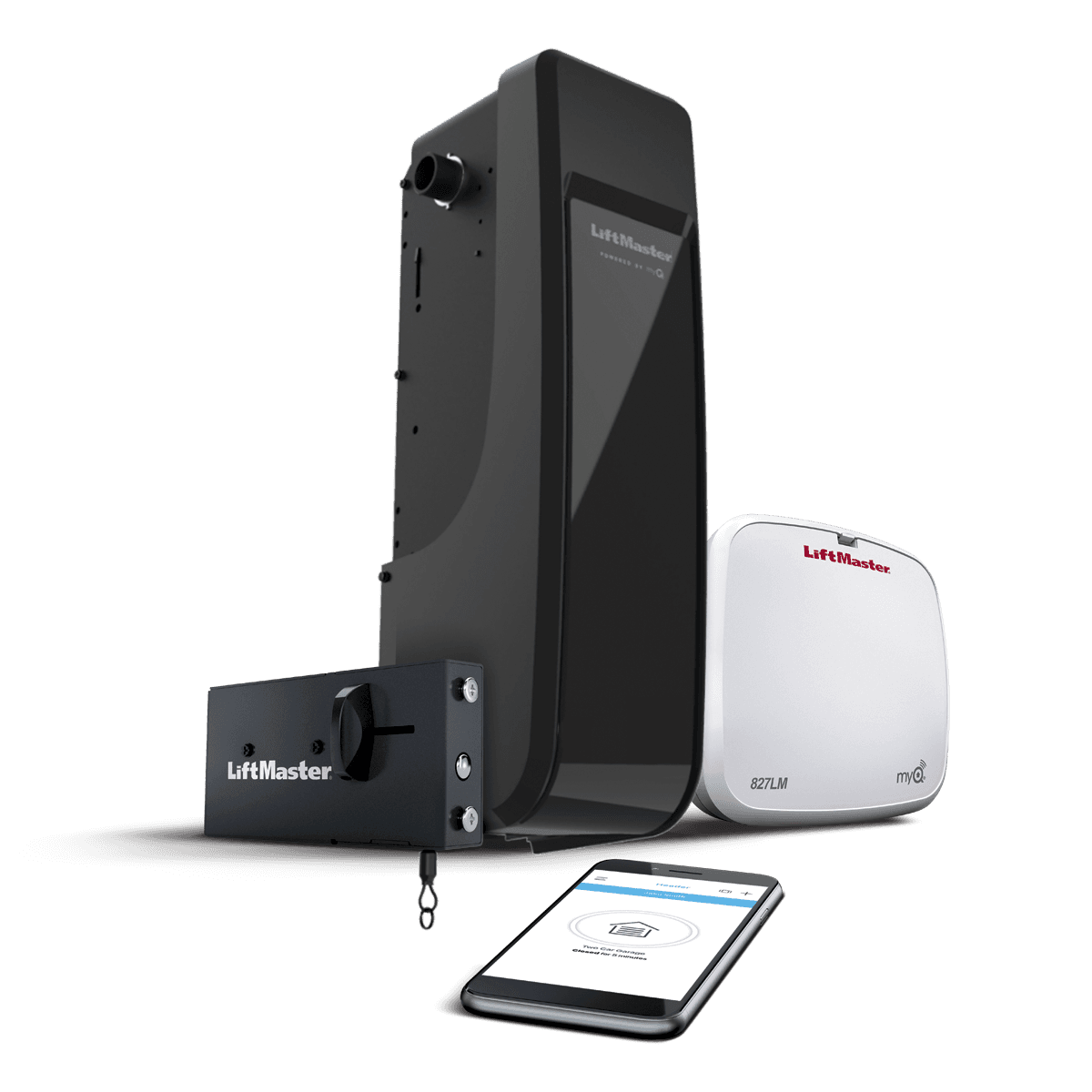
Use myQ® automatic locking. LiftMaster’s myQ® enabled openers include an automatic lock that engages immediately after the door closes — adding a physical barrier that supplements rolling code security. You can also monitor your door’s status and receive real-time alerts through the myQ® app.
Secure the interior door. The door connecting your garage to your home interior should have a deadbolt, solid core construction, and hinges that can’t be removed from the outside. Many homeowners overlook this completely.
Don’t leave your remote in your car. A garage door remote left in an unlocked vehicle is a straightforward target for theft. Using your smartphone with the myQ® app as your primary remote eliminates this vulnerability entirely.
According to the FBI’s Uniform Crime Reporting Program, approximately 9% of residential burglaries involve the garage as the point of entry. A modern rolling code opener combined with the additional steps above significantly reduces your risk.
📖 Related: How a Damaged Garage Door Could Put You at Risk
What to Do If Your Garage Is Broken Into
If your garage door is damaged during a break-in attempt — or if a break-in is successful — the first priority is restoring security as quickly as possible. Same Day Garage Door Services provides fast emergency garage door repair throughout the East Valley, including panel replacement, track repair, and opener replacement. Our licensed, bonded, and insured technicians can typically respond the same day you call. Same Day Garage Door Services handles install a modern opener throughout the East Valley.
A break-in is also a good time to evaluate whether your current opener has rolling code technology — and if not, to upgrade to Security+ 3.0 for the best protection available.
Contact us today for a free estimate on a new garage door, or visit our emergency garage door repair page for immediate assistance.
📖 Related: Garage Door Repair Scams and What to Watch Out For
Trevor L.