How To Pick The Right Springs For Your Garage Door
Garage door springs are one of the most critical — and most misunderstood — components of your entire garage door system. They carry the full weight of the door every time it opens and closes, and choosing the right type and finish for your specific door makes a real difference in how long they last, how quietly your door operates, and how much maintenance you’ll need over the years.
This guide breaks down everything you need to know about garage door spring types and finishes so you can have an informed conversation with your technician when it’s time for a replacement.
📖 Related: Leading Causes and Solutions for Broken Garage Door Springs
⚠️ Important Safety Disclaimer
Garage door spring replacement is extremely dangerous and should never be attempted as a DIY project. Torsion springs and extension springs operate under enormous tension — enough to lift a door weighing 150 to 400 pounds. According to the Door & Access Systems Manufacturers Association (DASMA), spring-related injuries are among the most serious in the garage door industry, and the organization explicitly urges all homeowners to consult a trained door systems technician for any spring repairs or replacements.
The U.S. Consumer Product Safety Commission (CPSC) reports approximately 30,000 garage door-related injuries occur in the United States each year, with a significant number involving springs and tension components. Attempting to wind or unwind a torsion spring without professional tools and training can result in severe, life-threatening injury.
Please use this article to educate yourself on your options — and leave the actual installation to a licensed professional.
📖 Related: The Dangers of a Malfunctioning Garage Door
Torsion Springs vs. Extension Springs: What’s the Difference?
Before choosing a spring finish, it helps to understand the two main spring types used on residential garage doors.
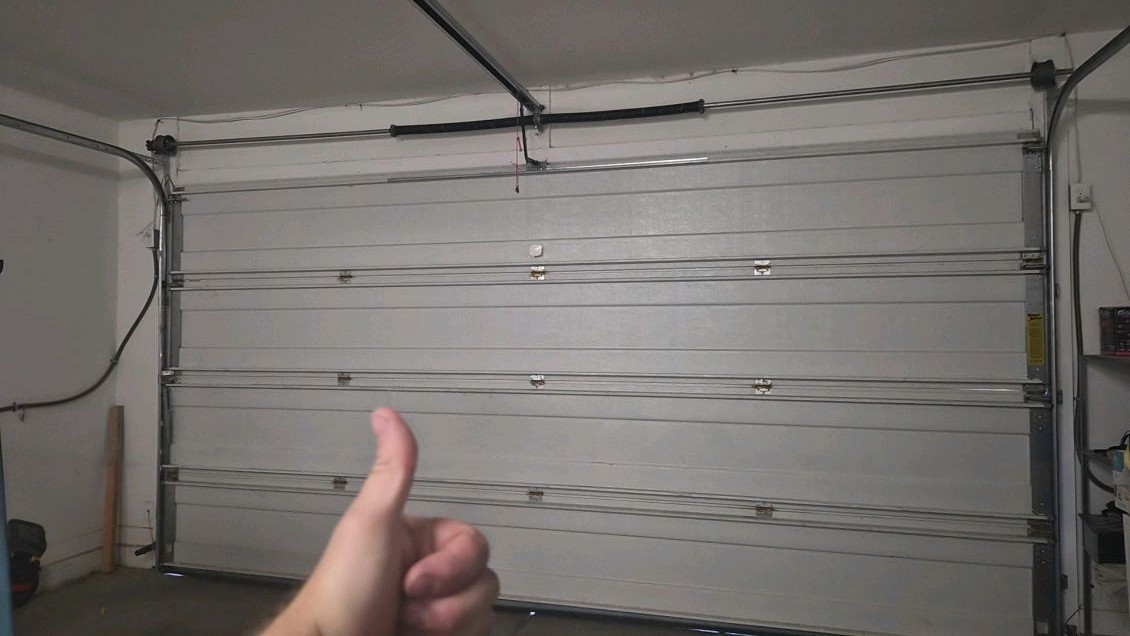
Torsion springs mount horizontally above the garage door opening on a metal shaft. They work by winding and unwinding to counterbalance the door’s weight, providing smooth, controlled movement. Torsion springs are the industry standard for most modern homes — they last longer, operate more quietly, and are generally considered safer when they fail because they tend to break in place rather than flying off.
Extension springs run alongside the horizontal tracks on each side of the door. They stretch as the door closes and contract as it opens. They are more common on older doors and those with limited headroom. Extension springs require safety containment cables — if one snaps without a safety cable, it can fly across the garage at high speed, causing serious damage or injury.
Your technician will recommend the right type based on your door’s weight, size, and existing hardware.
📖 Related: What Causes Garage Door Brackets To Break?
Oil-Tempered Springs
Oil-tempered springs are the original industry standard and remain one of the most widely used spring types today, recognizable by their dark, near-black color.
What Are Oil-Tempered Springs?
Oil-tempered springs are made from high-carbon steel wire that has been drawn through a series of dies and then put through multiple oil-tempered heating cycles. This process produces a spring that is robust, flexible, and built to last through thousands of open-and-close cycles. While they are a reliable choice, your technician will confirm whether they are the right fit for your specific door before purchase.
Benefits of Oil-Tempered Springs
Long-lasting and highly durable under daily use
Rarely need adjustment once properly installed
Quieter operation compared to some other spring types
Time-tested reliability across decades of residential use
Galvanized Springs
Galvanized springs emerged in the early 1990s as homeowners and builders began seeking alternatives to oil-tempered springs, particularly in environments where moisture and rust were a concern. Glady here in the Phoenix Valley’s dry climate, we don’t have to worry about rust very much.
What Are Galvanized Springs?
Galvanized springs start from the same high-carbon steel wire as oil-tempered springs, but after being drawn to the desired thickness and length, the wire is dipped in hot zinc. This zinc coating creates a protective barrier that makes the spring resistant to rust and moisture damage.
Benefits of Galvanized Springs
Excellent corrosion and rust resistance
Clean, silver appearance with no oily residue
Good choice for garages exposed to moisture or humidity
Low maintenance in dry climates
Powder-Coated Springs
Powder-coated springs are the newest option in the residential garage door market, gaining popularity for their combination of durability and clean aesthetics.
What Are Powder-Coated Springs?
Similar to galvanized springs, powder-coated springs appeared near the end of the 20th century as an alternative to oil-tempered springs. Their manufacturing involves applying a specialized paint coating to the wire, then using electrical bonding to seal and cure the coat. The result is a visually clean spring with good moisture resistance. While the coating is durable, it is not entirely fail-safe — chips or cracks in the coating over time can allow some moisture exposure.
Benefits of Powder-Coated Springs
The most visually appealing of the three options
Moisture-resistant surface
No oily residue
Complements modern garage door aesthetics in contemporary homes
📖 Related: Maintenance Tips For Your Garage Door
How to Choose the Right Spring for Your Garage Door
When selecting a garage door spring, price and appearance are often the first things that come to mind — but there are several important factors to weigh together:
Durability — If longevity is your top priority, oil-tempered springs are the most battle-tested option and perform reliably across a wide range of conditions.
Rust and corrosion resistance — In humid environments or garages prone to moisture exposure, galvanized springs offer the best protection. This is especially relevant in the East Valley during Arizona’s monsoon season.
Appearance — If you prefer a clean, silver finish with no oily residue, galvanized or powder-coated springs are both excellent options. If you prioritize function over aesthetics, oil-tempered is a proven choice.
Maintenance frequency — Oil-tempered springs require very little maintenance once installed. Galvanized springs may benefit from at least one inspection per year. Powder-coated springs should be checked periodically for chips or cracks in the coating. For a full breakdown of what routine maintenance involves, Angi’s garage door maintenance guide is a helpful resource.
Budget — All three options vary in price. Your technician can walk you through the cost differences and help you find the best balance of quality and value for your specific door.
The most important thing to remember: never mix spring types or sizes on the same door. Just like brackets, springs work as a matched system. Mismatched springs create uneven tension that accelerates wear and can lead to premature failure.
📖 Related: How Often Should I Get My Garage Door Opener Serviced?
Let the Professionals Handle Your Spring Replacement in Gilbert, Mesa & the East Valley
Now that you know the differences between spring types, the best next step is to speak with a licensed technician who can assess your specific door, recommend the right spring, and install it safely. Same Day Garage Door Services provides professional garage door spring inspection, replacement, and repair throughout Gilbert, Mesa, Tempe, Chandler, Ahwatukee, Apache Junction, and the entire East Valley.
Don’t risk a DIY spring replacement — let our experienced, licensed, bonded, and insured team handle it safely and correctly. Contact us today for a free estimate on a new garage door, or schedule your service online.
📖 Related: Garage Door Repair Scams and What to Watch Out For

Trevor L.