What’s that Sound? Is Your Garage Door Trying to Tell You Something?
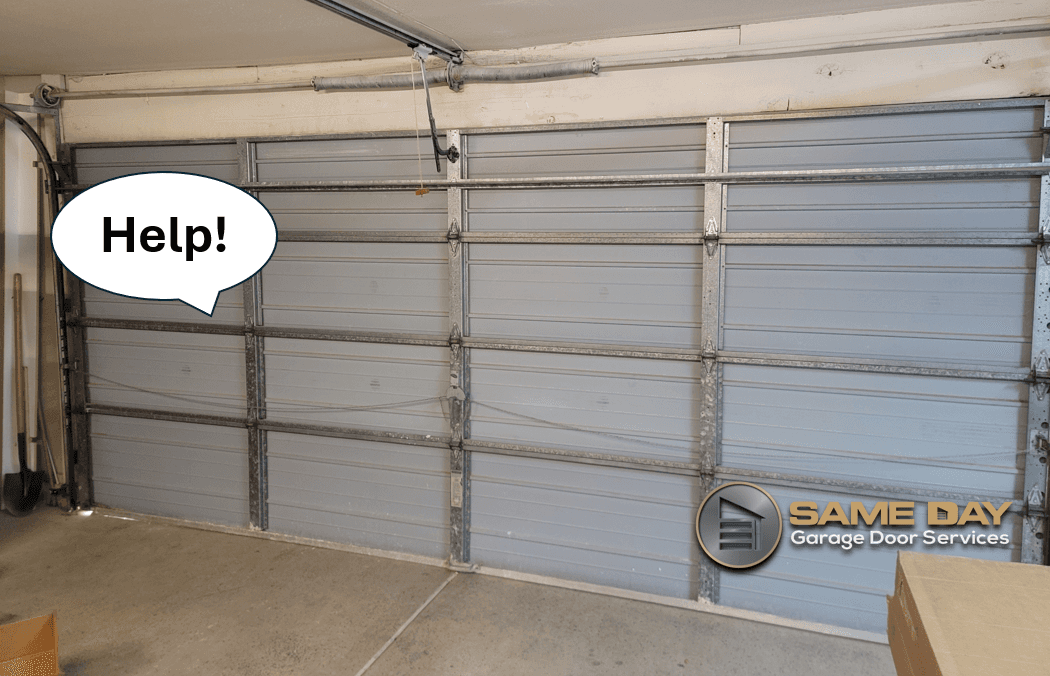
Your garage door is going to make some noise.
It’s a series of steel or aluminum sections connected by metal to a small motor, after all. But most garage doors are made with your comfort in mind, and that means that they shouldn’t be unbearably loud.
If you notice a loud garage door noise or noises that are just louder than usual, there might be a problem with your garage door.
Understanding the noises your garage door makes is key to knowing when you need to call a professional for garage door repair or when you need to go shopping for a new door. However, it’s always a good idea to consult with a garage door repair service first to know the specifics for your door.
Here’s an overview of some of the most common reasons that you might hear from your noisy garage door:
Hearing a Squeak?
Squeaking when your garage door is opening or closing is one of the most common noises you are likely to hear.
Don’t worry: You don’t need to start shopping for a garage door just yet! You likely just need to take care of a lubrication issue.
A squeaking garage door is most likely caused by the dirt and dust that is collected in all of the moving parts in the system. All you need to do is add some silicone-based lubricant to the rollers, hinges, and springs to correct the issue. According to DASMA (Door & Access Systems Manufacturers Association), lubricating all moving parts at least twice a year is one of the most effective ways to reduce noise and extend the life of a residential garage door. If you aren’t sure how to do that or you aren’t comfortable doing it yourself, just call your local East Valley garage door repair service for this easy fix.
A Slow Grind?
You’re used to the daily grind, but your garage door isn’t. A slow, constant grinding noise isn’t a sign that your garage door hates Mondays.
It’s likely a sign that the chain or belt on your garage door opener is too tight or too loose.
A constant grinding noise might sound serious, but this is actually another easy fix. You just need one of our trained professional technicians to adjust the belt or the chain. Your door should be back to normal after that.
If the grinding continues after adjustment, it could also indicate worn or damaged rollers. Old steel rollers especially tend to grind as they wear out — and they can accelerate wear on the tracks if left unaddressed. Our post on common causes of a noisy garage door goes deeper on this topic if you’d like to read more.
Is There a Clunking Sound?
Clinking. Clanking. Clunking. However you want to describe it, this sound can be the result of a couple of problems.
Rusted or dry spring coils that are rubbing together can cause a clinking noise, as can defective rollers. If you have rusted or dry spring coils, all you need to do is add some more silicone-based lubricant to make the sound go away.
If you have defective rollers, you’ll need to call a Gilbert garage door repair service to replace them before they seize or break and cause other major problems.
As always, call the professionals in the East Valley to inspect the source of the noise before you make any assumptions. Adding a little lubricant to the springs won’t hurt anything, so there’s no harm in trying that first.
But you shouldn’t wait too long to call in the pros if the noise doesn’t stop.
What About a Thumping Noise?
The most serious thing you can hear from your garage door is “I love you.” We’re kidding – it’s actually a loud thumping noise.
The most common reason that you’ll hear this noise is that a torsion spring has broken and the door is coming to an ungraceful close.
Always call a garage door repair service if you hear a thumping noise or have other reason to believe that your torsion springs have broken (such as seeing broken springs). You will need to replace the springs or the door itself before any other problems occur.
Torsion spring replacement is one of the more dangerous DIY tasks a homeowner can attempt. The U.S. Consumer Product Safety Commission (CPSC) identifies garage doors as one of the leading sources of residential entrapment and injury. That’s why spring replacement should always be left to a licensed technician. For more context, read our post on the dangers of replacing a garage door spring by yourself before considering the DIY route.
Why You Shouldn’t Ignore a Noisy Garage Door
Your garage door should be the strong, silent type, so if it suddenly starts getting chatty, you have cause for concern. You might just need to pay it a little more attention and put in some maintenance, or you might have to invest in some repairs.
A noisy garage door is rarely just an annoyance. Most sounds are early warning signals — and catching them early almost always costs less than waiting. A grinding roller that costs $30 to replace today can damage a track and create a $300 repair next month. A squeaky torsion spring that needs lubrication can snap without warning if left bone-dry, leaving your door inoperable.
According to Bob Vila, homeowners who perform routine maintenance on their garage doors — including annual lubrication, hardware inspection, and balance testing — can extend the life of their door system by five to ten years. That’s a significant return on a small time investment.
For more on what to look for before problems become expensive, check out our guide on 6 critical elements of annual garage door maintenance.
How to Properly Lubricate Your Garage Door
If squeaking or clinking is your only symptom, proper lubrication is your first move. Here’s what to use and where to apply it:
Use silicone-based or lithium-based garage door spray — not WD-40, which is a solvent and will actually strip lubrication over time.
Apply to the rollers (inside the roller bearing, not on the tracks).
Spray the hinges where the sections connect, focusing on the pivot points.
Coat the torsion spring coils — this is what stops that clinking sound.
Do not lubricate the tracks. Tracks should be cleaned, not lubricated; grease on the tracks causes rollers to slip and misalign.
Not sure which lubricant to buy or how to reach all the parts safely? Our dedicated post on how and why to use garage door lubricant walks through the full process step by step.
When Is a Noise a “Call Us Now” Situation?
Some sounds are DIY-friendly. Others mean stop using the door and pick up the phone. Here’s a quick breakdown:
Squeaking or light clicking: Try lubrication first. If it continues, call us.
Grinding that doesn’t stop: Schedule a service call — rollers or drive mechanism need inspection.
Banging or rattling sections: Tighten loose bolts and brackets, then call if it persists.
Loud pop or bang: This is almost always a broken spring. Stop using the door immediately and call for broken garage door spring repair.
Rhythmic thumping on the way down: Off-balance door or broken cable. Do not operate the door manually — call a technician.
Scraping sound from one side: The door may be off-track. Read our post on steps to fix a garage door off-track for context, but this is usually a professional repair.
The only way to know for sure is to call in the professionals to take a look. Same Day Garage Door Services can help you get to the bottom of any noises that your garage door may be making. Our professionals will inspect the door and provide whatever maintenance is needed — such as lubricating the parts — or will provide suggestions for what repairs need to be made. We can then repair the door, or we can help you select a new one. Our professionals perform repairs, replacement, and garage door installation throughout Mesa, Chandler, Tempe, Gilbert, and the entire East Valley.
If your garage door is making noise you can’t explain, don’t wait for it to become a bigger problem. Same Day Garage Door Services provides expert garage door repair across Mesa, Chandler, Tempe, Gilbert, and the entire East Valley. Schedule same-day service online or contact us today — or call us directly at 480-750-7975.

Trevor L.